


Why Does 100% Polyester Sometimes Feel Like Cotton And Sometimes Like Plastic?
You went to the mall to buy a T-shirt, which felt soft and fluffy, like cotton. Flipping over the label: 100% polyester. No mistake, nor is it a blend-the polyester you touched had already lost its circular cross-section.

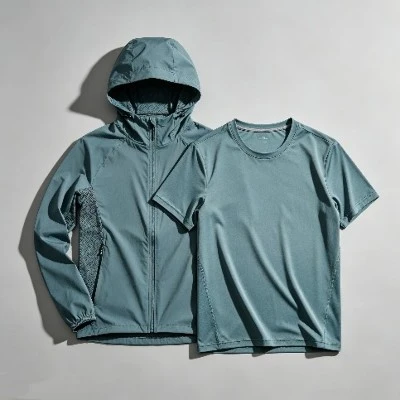
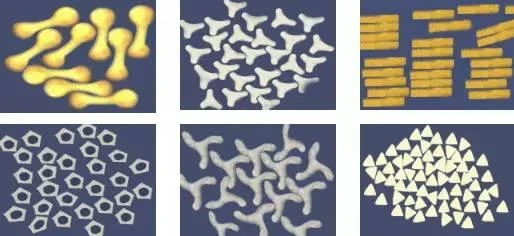
Ordinary polyester has a circular cross-section, with total light reflection, giving it a smooth, hard texture and a plastic-like feel. However, by altering the spinneret holes into non-circular shapes such as Y-shaped, three-leaf-shaped, or hollow-shaped, "non-circular cross-section fibers" are produced, also known as differentiated polyester. While the chemical composition remains unchanged, the physical cross-section variation results in vastly different performance characteristics.
The three-leaf cross-section is dry and has a skeleton, capable of simulating silk; the Y-shaped and cross-shaped cross-sections feature grooves that generate capillary effects, promoting moisture-wicking and quick-drying, making them suitable for sportswear. The hollow cross-section has an internal air cavity, offering 20%–30% higher warmth retention than solid polyester. The five-leaf and bean-shaped cross-sections provide a soft, matte texture, mimicking cotton, and are commonly used in home textiles. For the same 100% polyester material, the tactile difference between a circular cross-section and a Y-shaped cross-section may be greater than that between polyester-cotton blends.
Why does the cross-section affect the feel?
First, the surface area increases. The irregular cross-section increases by 30% to 50% compared to a circular one. The scattered light turns the plastic matte, while the air layer in the grooves creates a fluffy sensation. Second, capillary moisture transport. Ordinary polyester has a moisture regain of only 0.4%, almost no water absorption, but Y-shaped and cross-shaped grooves can quickly channel sweat away for evaporation, making it "feel like cotton but dries faster." Third, hollow insulation. Air is a poor conductor of heat, and hollow fibers can lock in body heat. The fundamental principle of thermal underwear is not thickening but making the fibers hollow.
How do consumers judge?
First, observe the luster: regular polyester shines, while shaped cross-sections appear matte. Second, test the texture: regular polyester feels smooth, hard, and cool, whereas shaped cross-sections are fluffy, soft, and warm, rebounding slowly when squeezed, giving a "rubberized cotton" sensation. Third, check the hangtag: labels indicating "moisture-wicking," "sweat-transport," or "insulating hollow" structures usually signify the use of shaped cross-sections.
Don't be intimidated by "100% polyester." Polyester isn't just one type-it can be modified in cross-section to change from a plastic-like feel to a cotton-ramie texture, transforming from stuffiness to quick-drying. Next time you buy clothes, touch before judging-if it feels like cotton, it's not a labeling error but a changed fiber cross-section.
No Information


