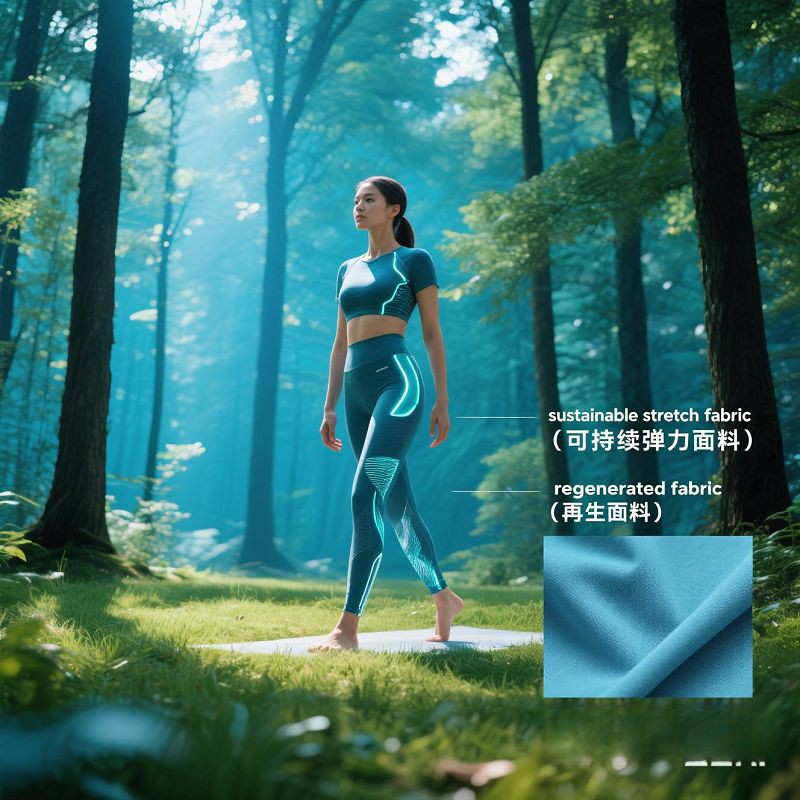
Beimon – A green textile manufacturer specializing in the R&D and production of Nylon-Spandex and Polyester-Spandex elastic fabrics – is driving a revolution in sustainable textiles through innovative technologies, revitalizing traditional fabrics with eco-friendly solutions. Below are the comprehensive advantages of Nylon/Spandex (Nylon-Spandex) and Polyester/Spandex (Polyester-Spandex) recycled fabrics, along with Beimon's core strengths:
I. Advantages of Recycled Fabrics
1. Environmental Benefits & Resource Circularity
Recycled fabrics significantly reduce reliance on virgin resources by repurposing waste materials (e.g., plastic bottles, discarded textiles) or using bio-based raw materials (e.g., polylactic acid fibers). Examples include:
• Resource Recycling: Recycled fabrics utilize post-consumer polyester waste (e.g., plastic bottles, old textiles) as raw materials, reducing demand for petroleum and minimizing waste pollution. Producing 1 ton of recycled polyester saves approximately 6 tons of petroleum resources and reduces carbon emissions, with 80% lower energy consumption compared to virgin polyester production.
• Pollution Reduction: Recycled fabrics effectively decrease landfill waste, energy consumption, and emissions of CO₂ and harmful gases, protecting the atmosphere.
2. Market Competitiveness & Policy Support
• Brand Premium: Leading brands like H&M and ZARA use recycled fabrics as a key selling point, with consumers willing to pay a 10%-30% premium for eco-labeled products.
• Policy Drivers: The EU's Strategy for Sustainable Textiles mandates 100% recyclability for all textiles by 2030, while China's Implementation Opinions on Recycling of Waste Textiles aims to achieve 2 million tons of recycled fiber production by 2025.
II. Industry Trends & Future Outlook
- Brand Empowerment: Beimon supplies global sportswear brands with recycled Nylon-Spandex yoga pant fabrics. Each garment incorporates 12 recycled plastic bottles, helping create best-selling "Zero-Carbon Series" products.
- Scalable Production: The global recycled fiber market is projected to reach $35 billion by 2030, with Nylon/Spandex and Polyester/Spandex recycled fabrics accounting for over 24% of the market.
- Policy Standardization: Certifications like GRS and OEKO-TEX will standardize recycled fabric quality and establish end-to-end traceability mechanisms.
Through technological innovation and industry collaboration, Nylon/Spandex and Polyester/Spandex recycled fabrics are evolving from an "eco-concept" into a performance-driven, cost-effective, and sustainable solution, becoming the core driver of the textile industry's green transformation.