


Garment Organza Fabric
Beimonknit-tex: Your Professional Garment Organza Fabric Supplier
Beimonknit-tex Co. Ltd., a subsidiary of Gaoli knit-tex Co., Ltd. and Yuqiyongmao weaving Co., Ltd., was established in 2006 and is a leading manufacturer and supplier of knitted spandex fabrics and monofilament woven fabrics in China. Beimonknit-tex is located in the Yangtze River Delta region, a major textile industry center in China, and is responsible for the import and export business of the parent company.


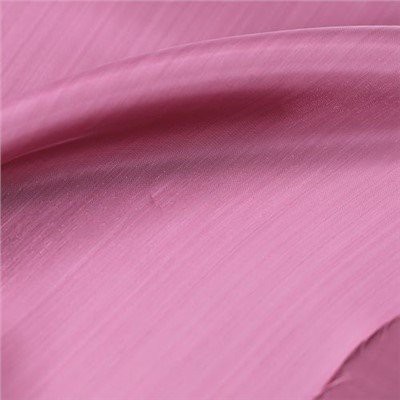


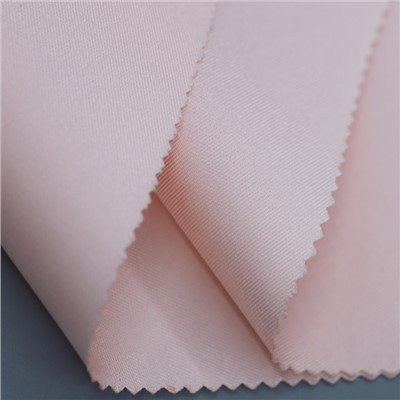

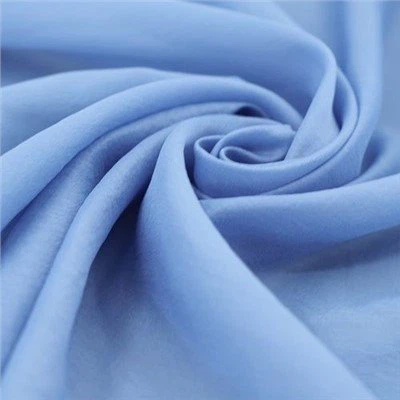


It is a lightweight, plain-woven, sheer fabric originally made using silk. Nowadays, the material can be made using synthetic fibres, for example, nylon and polyester. Synthetic fabrics are often much more durable and are used frequently because the fabric is, by design, very delicate.

Types of Organza Fabrics

Plain Organza
Plain organza is a basic and commonly used type of Organza fabric. It has a simple weave and a transparent finish. Plain organza is versatile and is used in dresses and decorative items.

Crystal Organza
Crystal organza has a more pronounced and defined weave than plain organza. It is famous for its shine and crisp texture, giving a glimmering effect under light.

Silk Organza
Silk organza has a luxurious and delicate texture. It has a smooth texture and a natural sheen. Silk Organza is ideal for high-end garments like couture dresses, blouses, and veils.

Polyester Organza
Polyester Organza is an affordable alternative to Silk Organza. It mimics silk’s appearance and texture but is more accessible. Also, it has similar transparency, sheerness, and crispiness to silk organza.

Embroidered Organza
This organza fabric has intricate embroidery designs. Embroidered organza adds a touch of luxury and elegance to any project. It is often used for special occasion garments.

Printed Organza
Printed organza features patterns, designs, and motifs applied through printing. Designers have endless options, allowing for customization based on their specific style.
Advantages of Garment Organza Fabric
Transparency
Organza is a transparent fabric, which means you can see through it due to the tiny holes created by the weave due to the twisting of the fibers before weaving. The see-through nature makes it suitable for making overlays over other clothes, wedding veils, etc. It is also used to make see-through sleeves.
Thinness
The fabric is exceedingly thin and fine. It can be used as an overlay in clothes, as underlining or lining, and even as interfacing. Because of its thinness but stiff nature it provides good support to the main fabric above it. Organza is used to make light but full ruffles and sleeves on blouses and gowns.
Lustre and Sheen
High sheen is a very good quality of both synthetic and natural organza fabrics. Organza has a shimmering and translucent quality that creates luxurious silhouettes, making it a favorite choice for wedding gowns and evening attire. It is not shiny but can be iridescent.
Crispness
Organza is slightly stiff and not as soft and flowy as other similar thin materials like chiffon due to the acid treatment of the threads before weaving. The wiry feel creates a different appeal than other flowy fabrics. It has a buoyancy that is appreciated in making clothes with many design elements. But this does not mean that it does not fall nicely. Silk organza fabric has a very attractive fall because of which it is used so much in making wedding gown outer layers. It is a suitable backing fabric under open-weave fabrics like lace.
Gives Body to Clothes
The wiry nature of fabric can lend other flowy and thin fabrics some structure when used as lining. Organza can be ruched or manipulated in different shapes or folds; when designing clothes with voluminous silhouettes, this is a boon. The fabric does all this without adding thickness or bulk. You can create several exaggerated details with it. Puffy or exaggerated sleeves, tiered full ball gowns, and pouffy tutus all benefit from this quality of organza.
Breathability
Organza fabric is light and airy, thanks to the perforations in the fabric that allow air to move through easily.

Application of Garment Organza Fabrics
Dresses and Gowns
Organza fabric creates stunning dresses and gowns. Its sheer and transparent quality allows for exquisite and romantic designs. Organza overlays or layers can add volume, texture, and a dreamy effect to skirts and sleeves.
Blouses and Tops
Organza blouses and tops add a touch of luxury to any ensemble. It gives a refined look suitable for formal occasions and casual elegance. Organza fabrics are often used to make a puff-like structure or a ruffle.
Costumes
Organza fabrics are often used in stage and dance costumes. Their ability to illuminate when light hits them is ideal for plays, ballets, and operas. Tutu and skirts made of organza fabrics add a stunning visual effect.
Home Decor
Organza textiles can improve table settings, tablecloths, runners, and overlays. Organza fabrics are famous for making drapes and curtains. It gives off a gentle and airy ambience as its transparency allows soft light to pass through.
Bridal Wear
Organza fabrics, such as wedding gowns and veils, are famous in bridal wear. They give a delicate and elegant appearance, creating a soft and full silhouette. Wedding designers often use organza fabric to make the bride look more elegant.
Care Tips for Garment Organza Fabrics
Wash Gently
If you're worried about damaging your organza, you can wash it separately by hand; just don’t wring it out too harshly or you’ll destroy the texture. It is also fine to launder both silk and man-made organza in the washing machine. Use a cool or warm setting and don’t include anything else in the load that might catch on it, like zips on hoodies or hooks on bras. Use a mild detergent, but nothing containing bleach. Add a quarter-cup of white vinegar to the rinse to remove any leftover soap, then give it another rinse to prevent any lingering vinegar aroma.
Dry Delicately
Avoid any drying dangers by either hanging or laying your organza garment out flat to air dry. Keep it away from direct heat, particularly if it is polyester. It is safe to tumble-dry all organza as long as you use a low heat setting. Organzas tend to create static electricity, so use a dryer sheet to reduce that. If you do tumble-dry, take the item out of the machine while it’s still slightly damp. Hang it and smooth out the creases as much as possible before it’s completely dry to reduce ironing.
Iron Carefully
There’s no going back if you frazzle the fabric on the first touch. Start with the iron on a low setting and gradually turn it up if you need to. If possible, test the iron on a hidden inside spot so any damage won’t show. Add a layer of protection by placing a damp cloth between the iron and the organza. Don’t hold the iron in one spot for too long or you risk burning. Avoid all ironing-related risks by hanging the crinkled garment in the bathroom -- the steam from hot showers and baths should help the creases drop out.
Store Folded
If any part of a garment is made from organza, hanging it in a closet could jeopardize its future. The delicate fabric can easily get caught on hangers, zips and fasteners as you take other clothes in and out. Making an invisible repair in the sheer fabric is almost impossible, so avoid tears or snags by carefully folding the item and storing it out of harm’s way in a box, drawer, or on a shelf. Layering tissue paper, preferably acid-free, between the folds will reduce creasing and the need for possibly risky ironing. Make sure the paper is white to avoid any color bleeding onto the fabric. Avoid storing organza in plastic bags, as they can trap damp and cause mold. They can also create an acidic environment that can damage organza, particularly if it is silk.
Our Advantages
Outstanding Company Strength
Our company's annual output value in mainland China has reached 80 million yuan per year, and in Europe, America, Southeast Asia, and other regions, the annual output value has reached 10 million US dollars, and our market position has continued to improve.
Variety of Products
Our company has multiple factories that can produce a variety of fabrics, which can be used in the production of T-shirts, sportswear, swimwear, shapewear, fashion, wedding dresses, gift packaging, etc.
Reliable Product Quality
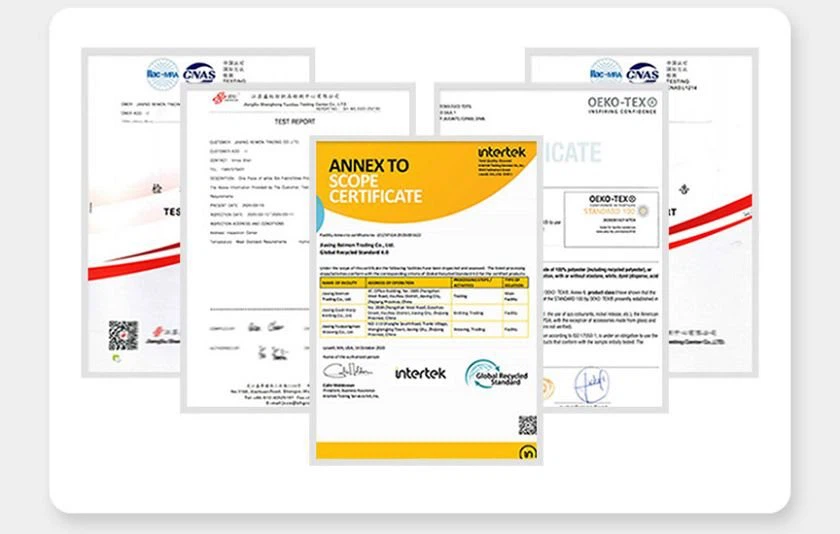
Global Recycled Standard Certification, OEKO-TEX Standard 100 Certification, and SGS Certification reflect our scientific production process and reliable product quality.
Fast Delivery
Our factory is located between Shanghai Port and Ningbo Port. The transportation of gray fabrics and finished products is convenient, and users can receive the goods in a shorter time.
Our Certificate
Our company has obtained Global Recycled Standard Certification, OEKO-TEX Standard 100 Certification, and SGS Certification, which prove that our company complies with the sustainable production and consumption model and that our textiles are safe, harmless, and of reliable quality.
Ultimate FAQ Guide to Sport Fabrics
We're well-known as one of the leading garment organza fabric manufacturers and suppliers in China, featured by quality products and good service. Please feel free to wholesale high-grade garment organza fabric at competitive price from our factory. Contact us for more details.
heavy silk satin fabric, satin silk cloth fabric, silk yarn fabric