


Knitting Fabric
Beimonknit-tex: Your Professional Knitting Fabric Supplier
Beimonknit-tex Co. Ltd., a subsidiary of Gaoli knit-tex Co., Ltd. and Yuqiyongmao weaving Co., Ltd., was established in 2006 and is a leading manufacturer and supplier of knitted spandex fabrics and monofilament woven fabrics in China. Beimonknit-tex is located in the Yangtze River Delta region, a major textile industry center in China, and is responsible for the import and export business of the parent company.
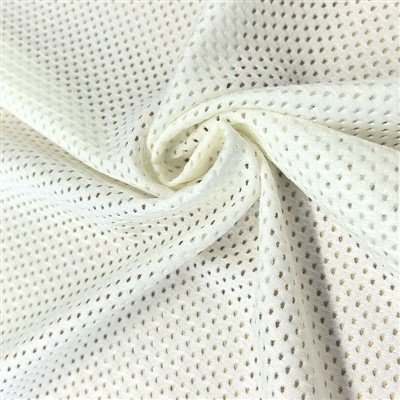
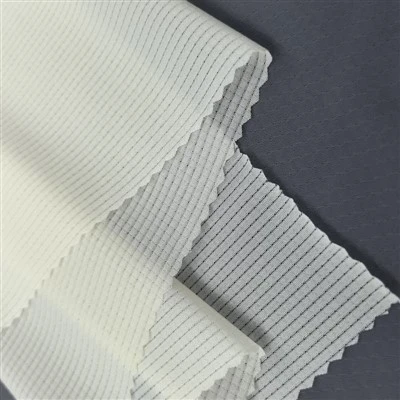
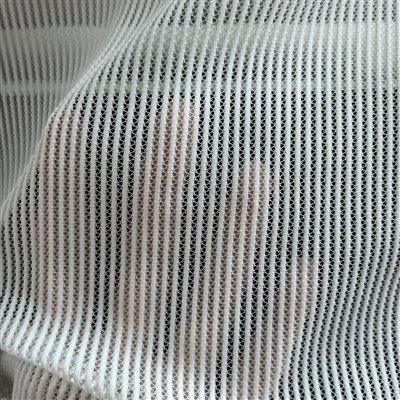
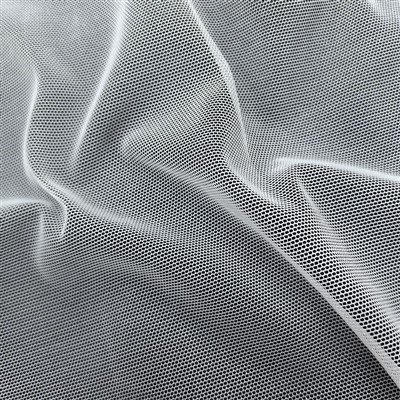
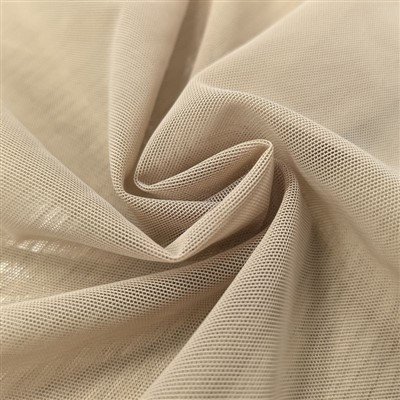

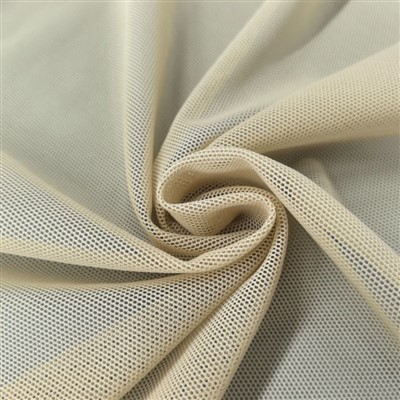
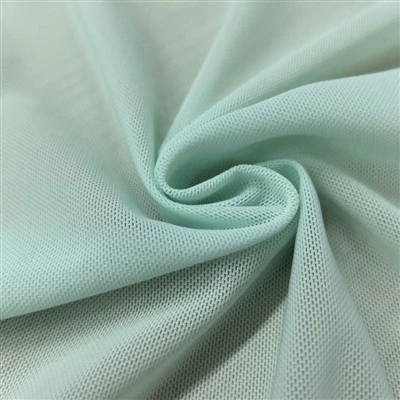
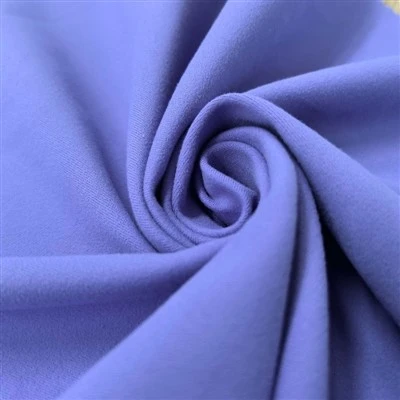
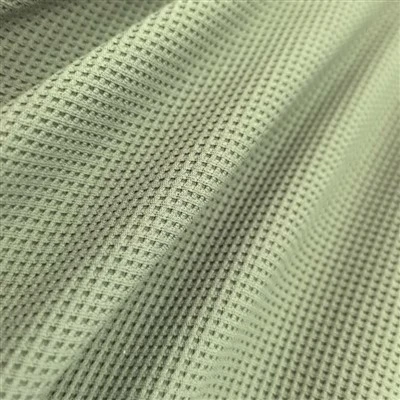
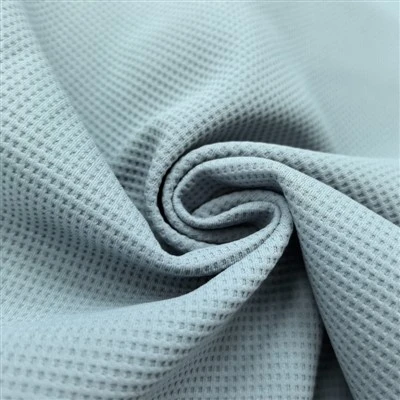

Knitted fabric is a textile that results from knitting, the process of inter-looping of yarns or inter-meshing of loops. Its properties are distinct from woven fabric in that it is more flexible and can be more readily constructed into smaller pieces, making it ideal for socks and hats.
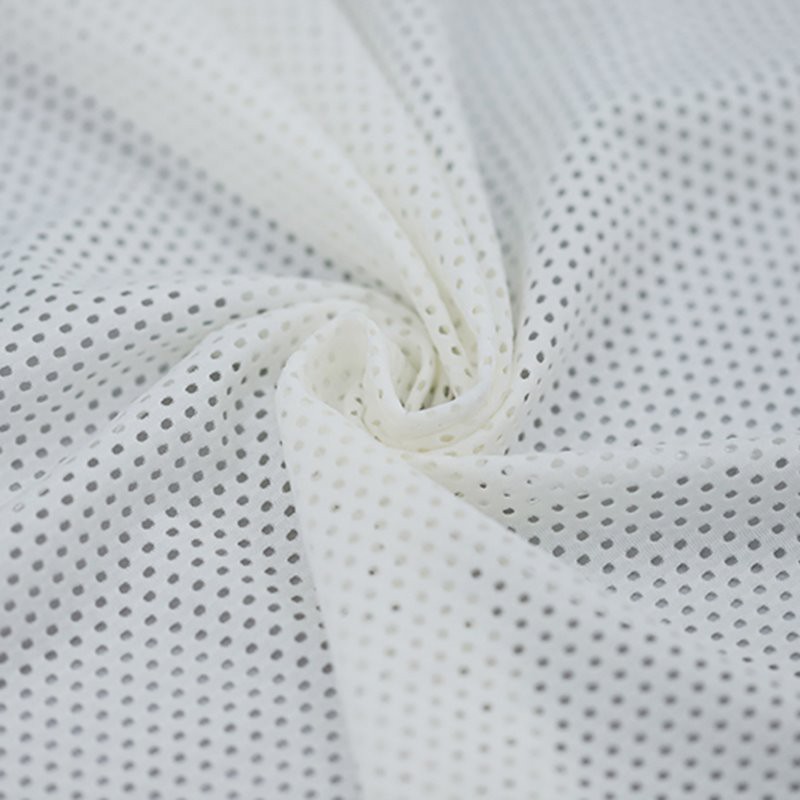
Common Types of Knitting Fabrics
01
Weft Stitching
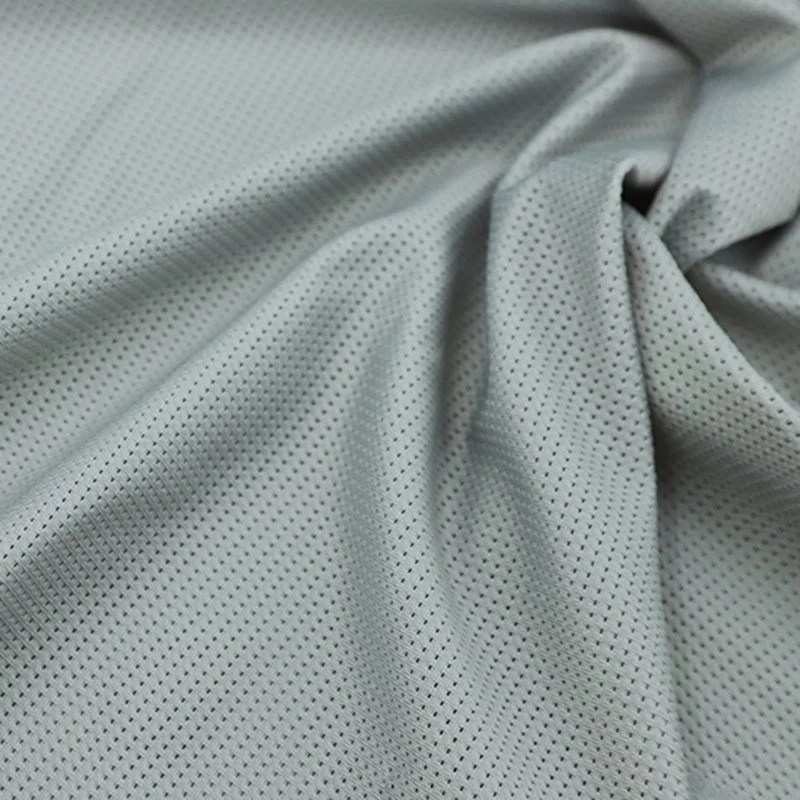
The process of knitting a piece of cloth with rows of stitches that go from left to right is known as weft knitting. Either a machine or a hand may be used to make this kind of cloth. Its simplicity makes it the most widely used kind of knitting. Furthermore, weft stitching is divided into two parts: single knits and double knits.

02
Warp Knitting
Vertical loop interlocking down the length of the cloth produces warp knit fabrics. This kind of cloth is machine-made, allowing for more customization. Warp knitting has two significant parts- Raschel and tricot.
03
Single Knits and Jersey Fabric
A fine-yarn knitted cloth having a uniform thickness. It's most often knitted in stockinette stitch, however rib stitch and other designs are possible. Jersey Knits are characterized by prominent horizontal ribs on the reverse and obvious flat vertical lines on the front. It's common to use the flat or jersey knit stitch since it's quick, cheap, and versatile enough to create a wide range of patterns.

04
Double Knits
The stitches in a double knit fabric are very dense and sturdy, and the fabric seldom ever runs. The interlock stitch, a variant of the rib stitch, is used to create them; it requires two yarns and two needles and draws loops through in opposite directions. Double knits also have multiple varieties that range from rib knit, purl knit, cable fabric, interlock knit to bird’s eye and pointelle.
Woven Fabric vs. Knitting Fabric: Which is Better?

Elasticity & Stretch
Knitted fabrics are much more elastic and have more give than woven fabrics. This elasticity allows for more freedom of movement. For this reason, clothes that are worn daily or for movement-centric activities are usually made from knits. Woven fabric is less giving or stretchy, and it is often better suited for more formal clothing or for pieces that won't be subjected to a lot of movement.

Temperature
Along with elasticity, knitted fabrics tend to be cooler and more breathable than woven fabrics. Because the interlocking loops also allow for more space in the fabric, air can flow more easily through them. In woven fabrics, the threads or yarn are pulled more tightly together as they're woven over and under each other. This means they provide more insulation than knits. This is also what makes wovens better at blocking out the wind.

Ability to Recover
Finally, knitted fabrics recover from folding and wrinkling more easily than woven fabrics. This means they are better for clothes you would keep folded, in drawers, or those you'd want to pack in suitcases or bags and bring with you when you travel. It is easier to end up with a piece of woven fabric that appears wrinkled and creased than it is to have a knit fabric with lasting wrinkles or fold marks. Thus, woven fabric is better for clothes that you will wear for special occasions or will hang in a closet, like formalwear or winter outerwear.
Advantages of Knitting Fabrics

Moisture Absorbing
Some knits have excellent moisture-wicking ability, especially those made from plant-based materials. For instance, cotton is able to absorb up to 27 times its own weight in water. Knit fabrics are looped together from a single or double yarn creating small openings in the finished fabric. These openings serve as pockets for holding air or minuscule amounts of water. This unique feature also makes knits warmer that other fabrics, even when the fabric is soaking wet.

Plenty of Stretch
Sewing with knits is a challenging process primarily because they have plenty of stretch and its edges may curl up as you work. While sewers have problems sewing knits, this feature also makes it possible to create form-fitting garments that do not require buttons, zippers or hooks. Knit materials give in all four directions, which is useful for creating comfortable t-shirts, undergarments and other one-piece garments.

Easy Care
Depending on the material used in the fabric and the size of the knitting, knit fabrics represent easy care. The care tag indicates if the fabric is machine washable, but this is true of most cottons, polyesters and other ready-to-wear garments. Use the gentle cycle and a mild soap when washing. Wool knits do take more care, requiring hand washing in warm water with liquid soap and are laid out flat to air dry to avoid stretching the garment's shape.

Comfortable to Wear
Most people choose to wear knits for their softness, warmth and stretch. Whether a handmade cable-knit sweater or machine-knit cotton t-shirt, these garments are very comfortable. The softness does depend on the fabric or material yarns used. While cotton fabric is soft, some turn to Merino wool for an extra level of soft-to-the-touch extravagance. Properly cared for knits retain their shape and elasticity and do not wrinkle easily, which increases their aesthetic appeal.
Common Raw Materials of Knitting Fabrics
Acrylic
Acrylic fibers are synthetic fibers made from polymers formed by acrylonitrile or vinyl cyanide. Acrylic is often considered imitation wool as a result of its heat-retention qualities. It’s often used to create fake fur and fleece, making acrylic yarn fiber a solid choice for inexpensive, warm winter knits.
Cashmere
Cashmere is a type of fiber created from the hair of the cashmere goat. Cashmere is incredibly soft, though not as strong as regular wool. Cashmere yarn can also be quite expensive and is best suited for knitting gloves and hats for the knitter on a budget.
Polyester
Polyester is a synthetic fiber created from coal and petroleum and is characterized by its durable nature. Polyester is also used as a wool substitute but can be a better option for those with sensitive skin or allergies to animal hair. Polyester yarn is great for big blankets or warm, comfy clothes that are machine washable.
Merino
Knitters have a plethora of options when choosing wools. Merino wool is from the Merino sheep and is softer and less scratchy than standard wool. This superfine wool is one of the softest types of wool. It is perfect for regulating body temperature in cold and hot weather, making it a popular choice for athletic apparel. However, wool can “pill,” creating those little fabric fuzzes that can be difficult to remove. Merino wool is highly versatile and durable, making it a popular choice for many knitters (especially beginner knitters). Aspiring knitters can learn how to knit using our complete guide.
Cotton
Cotton yarn is a robust and lightweight yarn derived from the cotton plant. It’s a natural fiber that’s breathable, soft, and absorbent. Cotton yarn effectively pulls heat away from the body, making it a better choice for warm-weather clothing and summer knits. Cotton yarn takes dye well and won’t obscure intricate stitching. However, cotton fiber has little elasticity, so your garment may sag once it begins to stretch.
Rayon
Rayon is a semi-synthetic fiber made from reconstituted wood pulp. Even though rayon is made from plant fibers, it is considered semi-synthetic because of the chemicals, like sodium hydroxide and carbon disulfide, used in the production process. Rayon can be an imitation form of silk, wool, and other fabrics. Rayon yarn comes in a variety of vibrant colors and can be more moisture absorbent than cotton.
Our Advantages
Outstanding Company Strength
Our company's annual output value in mainland China has reached 80 million yuan per year, and in Europe, America, Southeast Asia, and other regions, the annual output value has reached 10 million US dollars, and our market position has continued to improve.
Variety of Products
Our company has multiple factories that can produce a variety of fabrics, which can be used in the production of T-shirts, sportswear, swimwear, shapewear, fashion, wedding dresses, gift packaging, etc.
Reliable Product Quality
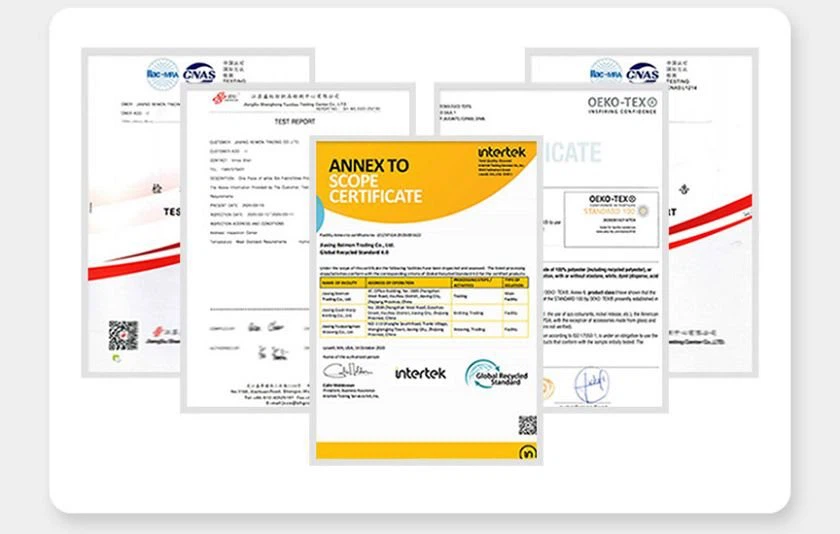
Global Recycled Standard Certification, OEKO-TEX Standard 100 Certification, and SGS Certification reflect our scientific production process and reliable product quality.
Fast Delivery
Our factory is located between Shanghai Port and Ningbo Port. The transportation of gray fabrics and finished products is convenient, and users can receive the goods in a shorter time.
Our Certificate
Our company has obtained Global Recycled Standard Certification, OEKO-TEX Standard 100 Certification, and SGS Certification, which prove that our company complies with the sustainable production and consumption model and that our textiles are safe, harmless, and of reliable quality.
Ultimate FAQ Guide to Sport Fabrics
We're well-known as one of the leading knitting fabric manufacturers and suppliers in China, featured by quality products and good service. Please feel free to wholesale high-grade knitting fabric at competitive price from our factory. Contact us for more details.
