


Woven Fabric
Beimonknit-tex: Your Professional Woven Fabric Supplier
Beimonknit-tex Co. Ltd., a subsidiary of Gaoli knit-tex Co., Ltd. and Yuqiyongmao weaving Co., Ltd., was established in 2006 and is a leading manufacturer and supplier of knitted spandex fabrics and monofilament woven fabrics in China. Beimonknit-tex is located in the Yangtze River Delta region, a major textile industry center in China, and is responsible for the import and export business of the parent company.


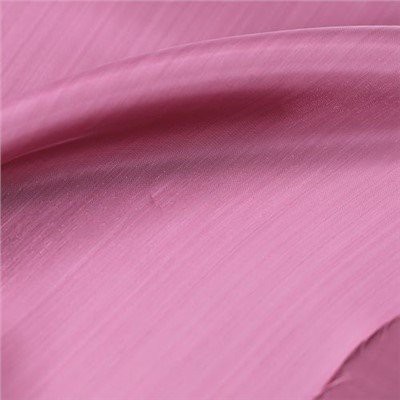


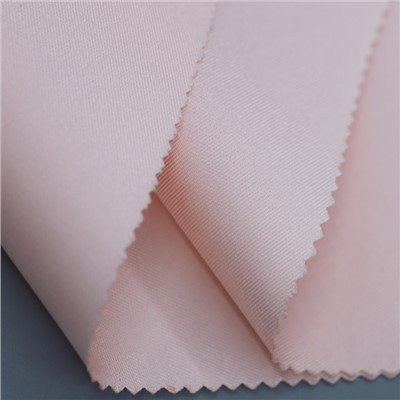

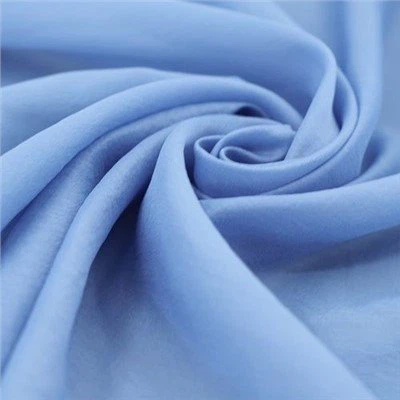


Woven fabric is any textile formed by weaving. Woven fabrics are often created on a loom, and made of many threads woven on a warp and a weft. Technically, a woven fabric is any fabric made by interlacing two or more threads at right angles to one another.

Common Types of Woven Fabrics


Chiffon
Chiffon is a plain weave fabric that is thin, airy, and sheer. The sheer fabric can be woven from various textile types, both synthetic and natural, like silk, nylon, rayon, or polyester. Learn more about chiffon in our comprehensive guide here.
Organdy
Organdy is a fine, sheer plain weave fabric that is woven from cotton. The crisp, lightweight material is often used to line bridal gown, evening attire, curtains, and aprons.
Muslin
Muslin is a loosely-woven cotton fabric. It’s made using the plain weave technique, which means that a single weft thread alternates over and under a single warp thread. Muslin is known as the material used in fashion prototypes to test patterns before cutting and stitching the final product. Learn more about muslin in our guide here.
Cheesecloth
Cheesecloth fabric is a plain-weave fabric that chefs use as a tool in the making of cheese. The fabric’s loose weave allows liquid to strain easily through it.
Poplin
Poplin fabric is a plain weave fabric with very fine warp yarns and coarser weft yarns. This fabric is also very lightweight, with a light, airy drape.
Taffeta
Taffeta is made using the plain-weave technique, which has a single weft thread going over and under a single warp thread, creating a checkerboard pattern. In making taffeta, threads are twisted as they are woven, which creates the resulting fabric’s stiffness and structure.
Organza
Organza is a lightweight, sheer, plain-woven fabric that was originally made from silk. The material can also be made from synthetic fibers, primarily polyester and nylon. Find our comprehensive guide to organza here.
Georgette
Georgette is typically a plain weave fabric woven using tightly twisted s-twist and z-twist yarns, which are yarns twisted in opposite directions. These twists create slight puckers on the fabric’s surface, which gives Georgette its signature crinkled finish.
Cambric
Cambric is a finely woven plain-weave fabric rolled and flattened at high temperatures to create a smooth finish.
Knit vs Woven: What is the Difference?
Construction
Woven fabrics are created on weaving looms. These looms can be 54 inches wide and above. The main difference between knit vs woven fabrics is how they are constructed. Woven fabrics are created using several warps, or longitudinal yarns, and wefts, or latitudinal yarns. Knitting involves interloping or interlacing a single yarn or thread.
How They Stretch and Move
Woven fabrics are less stretchable due to the fact that it's tightly woven threads or independent yarns. The looms that weave fabric typically work on tighter tension than knitting machines. Usually woven fabrics only stretch diagonally and is why they are the premier choice for upholstery. This leaves less room for the fabric to slouch and change shape when on a piece of furniture.
Knitted fabrics are stretchable in many directions. This is because of less tension during knitting and it's constructed from a single yarn or thread. Notice how your clothing can move in many directions vs your coach fabric witch is sturdy. If woven fabric was chosen for apparel, we would have a lot stiffer t shirts and pullovers.
Most Common Application
Woven Fabrics are more durable and less likely to lose their color. This is because they come in less contact with cleaning agents such as bleach and detergent.
Knitted fabrics are preferred in warmth, comfort, and wrinkle resistant applications like clothing. Knitted fabrics have a softer feel but can be less durable in the long run.

Durability and Strength
Woven fabrics are tough and can handle wear and tear, making them great for everyday clothing and heavy-duty items like bags.
Breathable Material
They allow air to pass through, which helps keep the body cool and comfortable in warm weather.
Easy to Sew
These fabrics are user-friendly for stitching, whether by hand or with a machine, which is perfect for beginners and professionals alike.
Versatile for Many Uses
They’re incredibly flexible in use, suitable for everything from fashion to home furnishings and industrial products.
Holds Shape Well
Woven fabrics maintain their shape over time, ensuring garments and products look good and fit well even after repeated use.
Application of Woven Fabrics

01
Apparel
Woven fabrics are extensively used in the fashion industry for making garments such as shirts, pants, dresses, jackets, and suits. The tight weave of these fabrics provides durability and a polished appearance.

02
Home Textiles
Woven fabrics are employed in the production of home textiles, including bed linens, curtains, upholstery, and towels. The versatility of woven fabrics allows for a wide range of designs and textures suitable for home decor.

03
Industrial Products
Woven fabrics find application in the manufacturing of industrial products such as conveyor belts, filter fabrics, geotextiles, and canvas. The strength and stability of woven fabrics make them suitable for demanding industrial environments.

04
Sportswear
Sportswear often incorporates woven fabrics due to their breathability, flexibility, and strength. Athletic apparel, including shorts, jerseys, and tracksuits, benefits from the performance characteristics of woven materials.
Our Advantages
Outstanding Company Strength
Our company's annual output value in mainland China has reached 80 million yuan per year, and in Europe, America, Southeast Asia, and other regions, the annual output value has reached 10 million US dollars, and our market position has continued to improve.
Variety of Products
Our company has multiple factories that can produce a variety of fabrics, which can be used in the production of T-shirts, sportswear, swimwear, shapewear, fashion, wedding dresses, gift packaging, etc.
Reliable Product Quality
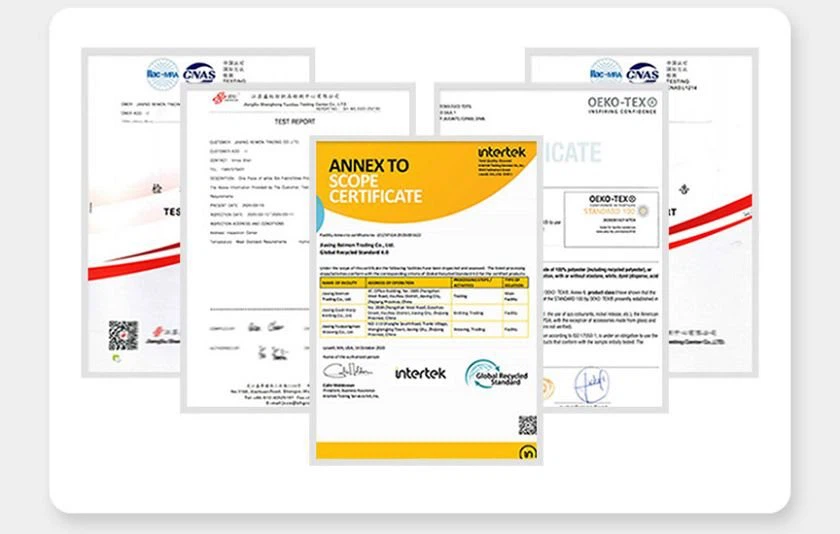
Global Recycled Standard Certification, OEKO-TEX Standard 100 Certification, and SGS Certification reflect our scientific production process and reliable product quality.
Fast Delivery
Our factory is located between Shanghai Port and Ningbo Port. The transportation of gray fabrics and finished products is convenient, and users can receive the goods in a shorter time.
Our Certificate
Our company has obtained Global Recycled Standard Certification, OEKO-TEX Standard 100 Certification, and SGS Certification, which prove that our company complies with the sustainable production and consumption model and that our textiles are safe, harmless, and of reliable quality.
Ultimate FAQ Guide to Sport Fabrics
We're well-known as one of the leading woven fabric manufacturers and suppliers in China, featured by quality products and good service. Please feel free to wholesale high-grade woven fabric at competitive price from our factory. Contact us for more details.
