


Sport Fabric
Beimonknit-tex: Your Professional Sport Fabric Supplier
Beimonknit-tex Co. Ltd., a subsidiary of Gaoli knit-tex Co., Ltd. and Yuqiyongmao weaving Co., Ltd., was established in 2006 and is a leading manufacturer and supplier of knitted spandex fabrics and monofilament woven fabrics in China. Beimonknit-tex is located in the Yangtze River Delta region, a major textile industry center in China, and is responsible for the import and export business of the parent company.


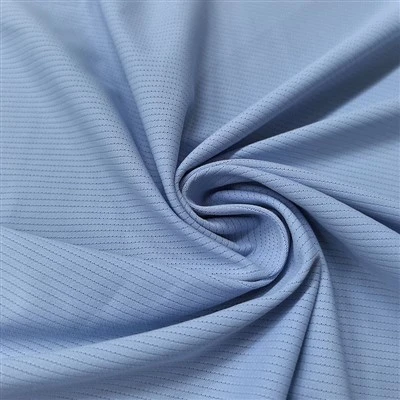
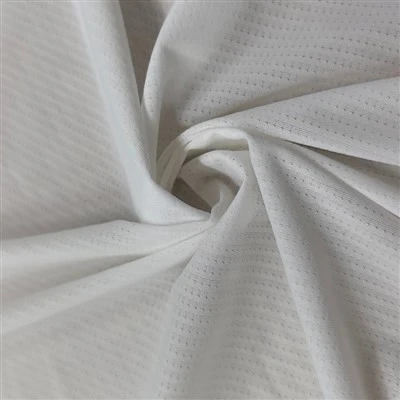


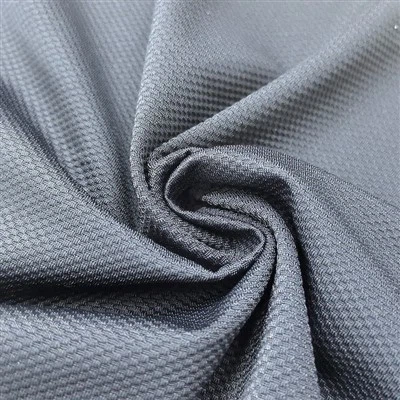
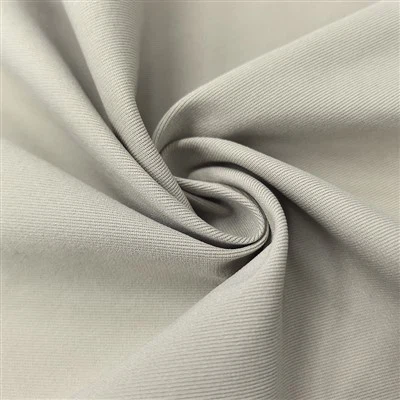
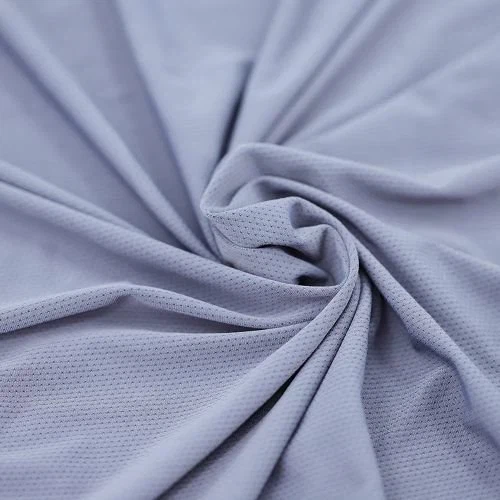
More than other kinds of garments, athletic wear is sought for specific properties, such as thermal insulation, moisture-wicking, or breathability. As with the wide range of their end-uses, the fabrics used to make athleticwear is very wide and includes nylon, polyester, and spandex.
Advantages of Sport Fabrics
Moisture-Wicking
Many sportswear fabrics are designed to have moisture-wicking properties. They can quickly absorb sweat from the skin and move it to the fabric's outer surface, allowing it to evaporate more easily. This helps to keep the body dry, cool, and comfortable during workouts.
Breathability
Sportswear fabrics are often engineered to be breathable, allowing air to circulate through the fabric and providing ventilation to the body. This helps in regulating body temperature, preventing overheating, and reducing discomfort.
Stretch and Flexibility
Sportswear fabrics are designed to be stretchable and provide freedom of movement. They have good elasticity and flexibility, allowing athletes to move comfortably without restrictions. This is particularly important for activities that require a wide range of motion, such as yoga, dance, or various sports.
Lightweight and Quick-Drying
Sportswear fabrics are typically lightweight, which reduces the overall garment weight and allows for easier movement. Additionally, they dry quickly after washing or sweating, minimizing the time needed for the fabric to dry completely.
Durability
Sportswear fabrics are often engineered to withstand the rigors of physical activities. They are designed to be durable, with high resistance to tearing, abrasion, and pilling. This ensures that the garments can withstand regular use and maintain their performance and appearance over time.
Odor Control
Many sportswor ear fabrics incorporate technologies or treatments that help in minimizing or neutralizing odors caused by sweat and bacteria. This keeps the garments fresher for longer durations and reduces the need for frequent washing.
Application of Sport Fabrics
1 - Running and Cycling Sports
As the use of composite structures has increased in every field, sports textiles are promising in almost every sport. Thus, performance-enhancing smart clothing for outdoor sports such as running or cycling should be suited to all seasons, along with hygiene characteristics, and functionality, in addition to having an exceptional aesthetic appearance. In these sports, athletes are actively in motion every minute, so sweating is happening. Garments made with sports textiles in sports are designed in line with the needs of these athletes.
Hiking and Nature Sports
Even though in mountaineering sports, the highlight product is footwear, all climbers, trekkers, and hill walkers, in general, require other durable and technical apparel for sports whether at high or low temperatures. For instance, fabrics finished with oil and water-repellent properties end up having fewer stains — not only by repelling those liquids, but also by releasing any of those stubborn stains and soils that do set. At the same time, it preserves the breathability of the garment, while keeping its shape.
Competitive Swimmer Swimsuits
Nowadays, professional swimming includes some of the most advanced examples of technical sportswear. Competitive swimmers wear high-tech bodysuits and trunks made of polyester and nylon — combined with a design that improves hydrodynamics — to lay down record times in Olympic-style races. These fabrics can cause lower friction when placed in the right spot on the wearer's body. Such suits can decrease the amount of drag while swimming, provide abdominal compression, stability, and support for appropriate body positioning.
Gymnastics
The muscle system and body development are extremely important for gymnastics. During their training, the body must exhibit perfect posture. That is why athletic wear should be lightweight and still provide effective movement and superior breathable characteristics. These sports Fabrics should be sturdy, yet flexible and skin-friendly. All in all, elastic components, combined with innovative production techniques and wear-resistant sealing finishes, should result in high strength. Polyurethane foam (PUR) fibers aka Spandex, Lycra, Nylon, or Elastane, are often used, which have 5 times longer stretch than their original length.

Materials of Sport Fabrics
Cotton
Cotton was widely believed to be a material that doesn’t absorb sweat, making it unsuitable for athletic wear. But recently, cotton sportswear has come back into fashion since it manages odors better than other materials. It is permeable and doesn’t retain unpleasant odors or other activity. But when compared to its more contemporary and technologically sophisticated rivals, cotton still falls short when it comes to quickly absorbing sweat.
Spandex
Sportswear frequently uses polyester, another popular material type. It is essentially a type of fabric consisting of plastic fibers that are breathable, light, and wrinkle-free. This cloth does not absorb perspiration since it is non-absorbent; rather, sweat is permitted to dry naturally on the outside of the fabric.
Polyester’s exceptional strength and durability are two of the main reasons it is a favored option for leading sportswear producers. High-strength polyester fibers are more durable than rivals and can sustain athletes’ forceful, repetitive actions while being reasonably inexpensive compared to similar materials. In addition, polyester has outstanding insulating qualities, making it a fantastic material for areas with alternating hot and cold temperatures.
Synthetic
Sports enthusiasts who were tired of wearing rubber and plastic sportswear that made them overheat originally had synthetic sportswear in mind as an alternative. Clothing and other sporting goods, such as knee and elbow bands, can be made out of synthetic materials. While exercising, you can stay cool by wearing this material because it is breathable and quickly absorbs sweat. Synthetic athletic apparel’s main flaw is related to the manufacturing process. Chemical synthesis is used to generate it, which has an adverse environmental impact by producing non-renewable byproducts.
Bamboo Fiber
Bamboo is the best fabric for sportswear if you want extremely soft yet breathable sportswear. Natural, lightweight fabrics with anti-static properties are produced from bamboo pulp. Bamboo fiber also wicks away moisture, making it a completely odorless sporting material. Wearing it outside in the sun for an extended period won’t be an issue because it also offers incredible UV protection. Generally speaking, bamboo fiber can be utilized in almost any situation where cotton is not available. Due to its significant qualities that help production and manufacturing processes, some clothing manufacturers may even prefer this type of fabric to cotton. For instance, bamboo cloth is more stretchy than cotton and is very breathable. This fabric is simple to weave into other textiles with high thread counts, and the resulting clothing is frequently thinner than cotton-based clothing while still being equally or more malleable.
Microfiber
As the name suggests, microfiber is a material consisting of incredibly fine, small thread fibers with a maximum linear density of one denier. This indicates that the threads in microfiber are 100 times finer than those in human hair. It is made completely of synthetic materials, such as a polyester and polyamide blend. Any products that are manufactured frequently cost more since the mixing technique employed by sportswear manufacturers is a costly material to use on a large scale. Microfiber is commonly used to produce towels, tracksuits, and other sporting wear due to its superior absorption capacity and non-abrasive nature.
Nylon
Women’s stockings were notably produced using the first synthetic material to be commercially viable. But it’s currently commonly utilized in the production of sportswear, including tracksuits, gym wear, and wind runners. Stretchable, quick-drying, and mildew-resistant are all qualities of nylon. Additionally, it is remarkably breathable.

Factors to Consider Before Choosing Sport Fabrics
Comfort
Your performance may suffer if you wear inappropriate clothing. Imagine working out while donning a tight sports bra that keeps poking into your back. What about a pair of jeans that are either too tight or too loose? Possible symptoms include unease and trouble focusing. Choosing the right size and level of comfort is essential because, as should go without saying, you want to be comfortable while exercising.
Moisture
To encourage evaporation, the fabric should draw sweat molecules to the outside layer of the garment. It is a crucial requirement because working out will cause you to perspire profusely. You will therefore experience discomfort if your training attire lacks moisture-wicking capabilities.
Durability and Strength
Activewear’s shelf life can be extended by making it more durable. Activewear must be able to withstand any wear and tear or aging if high-quality, strong fibers are combined to create it.
Breathability
The primary consideration when choosing workout clothes materials is that they need to be breathable and have moisture-wicking qualities. Breathable materials make air escape simple, keeping the body cool and clean.
Protection
Choose clothing or equipment that will keep you cool in the summer and warm in the winter if you plan to exercise outdoors. It should additionally shield you from the sun’s UV rays.
Flexibility
Your movements should be unrestricted by the training attire, which should provide a wide range of mobility. Your range of motion is greatly increased if your training attire is constructed of high-quality materials. Yoga allows you to move or bend whatever you like.
Our Advantages
Outstanding Company Strength
Our company's annual output value in mainland China has reached 80 million yuan per year, and in Europe, America, Southeast Asia, and other regions, the annual output value has reached 10 million US dollars, and our market position has continued to improve.
Variety of Products
Our company has multiple factories that can produce a variety of fabrics, which can be used in the production of T-shirts, sportswear, swimwear, shapewear, fashion, wedding dresses, gift packaging, etc.
Reliable Product Quality
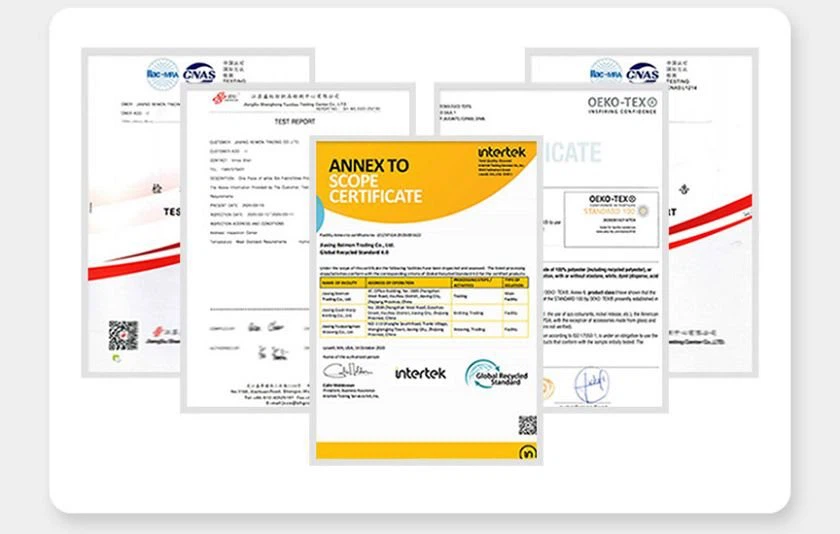
Global Recycled Standard Certification, OEKO-TEX Standard 100 Certification, and SGS Certification reflect our scientific production process and reliable product quality.
Fast Delivery
Our factory is located between Shanghai Port and Ningbo Port. The transportation of gray fabrics and finished products is convenient, and users can receive the goods in a shorter time.
Our Certificate
Our company has obtained Global Recycled Standard Certification, OEKO-TEX Standard 100 Certification, and SGS Certification, which prove that our company complies with the sustainable production and consumption model and that our textiles are safe, harmless, and of reliable quality.
Ultimate FAQ Guide to Sport Fabrics
We're well-known as one of the leading sport fabric manufacturers and suppliers in China, featured by quality products and good service. Please feel free to wholesale high-grade sport fabric at competitive price from our factory. Contact us for more details.
4 way sport mesh fabric, activewear fabric, 4 way sport fabric