Swimwear Fabric

Beimonknit-tex: Your Professional Swimwear Fabric Supplier


Beimonknit-tex Co. Ltd., a subsidiary of Gaoli knit-tex Co., Ltd. and Yuqiyongmao weaving Co., Ltd., was established in 2006 and is a leading manufacturer and supplier of knitted spandex fabrics and monofilament woven fabrics in China. Beimonknit-tex is located in the Yangtze River Delta region, a major textile industry center in China, and is responsible for the import and export business of the parent company.
 

What is Swimwear Fabric

Swimwear fabric is a type of fabric specifically designed for swimwear. It is a blend of synthetic fibers such as nylon, polyester, and spandex which are water-resistant, quick-drying, and stretchable. The fabric is lightweight and durable, with a smooth texture that is comfortable and non-irritating to the skin.

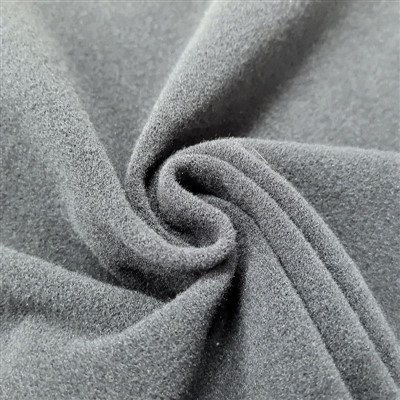
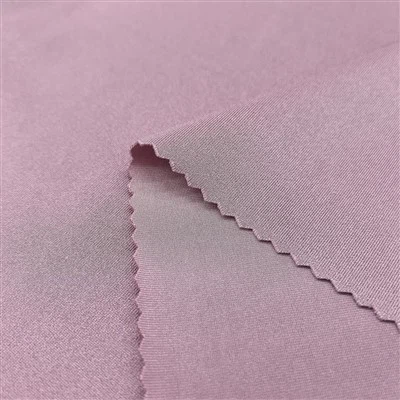
Polyester Spandex Sportswear Fabric


Swimsuit Fabric Properties
Polyester Spandex Sportswear Fabric
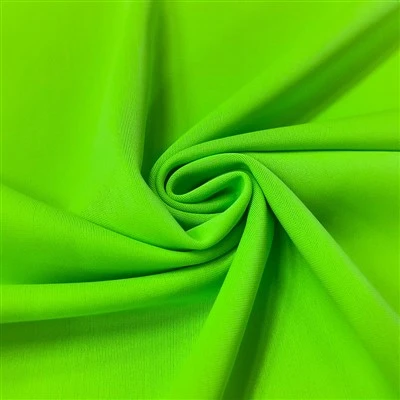
Stretch Bubble Mesh Fabric
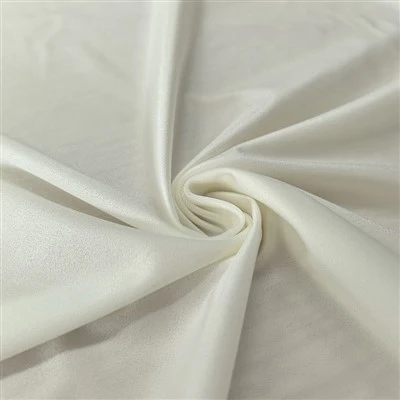
Shiny Stretch Satin Swimwear Fabric
Stretch Bubble Mesh Fabric

Stretch
Given its primary function, swimsuits are elastic and have a lot of negative ease, allowing your body to move freely and comfortably. One can choose between two-way stretch and four-way stretch swimwear fabrics since they are frequently used interchangeably. Comparatively, fabrics with four-way stretch can be stretched in crosswise and vertical directions.
Durability
Swimsuit fabric also has the unique quality of being very long-lasting. Fabrics designed specifically for swimwear are more resistant to the types of wear and tear common to other fabrics. It can withstand harsh sunlight, sand from the beach, pool chlorine, etc.
Elastic Recovery
If your fabric doesn’t recover well, it won’t be able to stretch and return to its normal size and shape without becoming permanently deformed. Because of this, swimsuit fabrics have an elastane content of 8-10% to guarantee good elastic recovery.
Great Drying Capacity
No one enjoys being cold and uncomfortable when wearing a wet swimsuit. Fabrics that dry rapidly and don’t trap water are crucial for swimwear.
Ability to Retain Its Form When Wet
Swimwear is designed to retain its form and fit even when wet. They are water resistant, so the cloth retains its shape no matter how wet it gets. The compression fit of some swimwear helps to maintain the shape of the wearer’s body. The fabric’s density and the knit’s tightness also contribute to the compression fit.
Comfort
The ideal swimwear material would be one that would stretch with your body, and it should be comfortable to wear without causing any chafing or friction. It’s ideal for this sort of swimsuit to be made of a soft, breathable fabric.


Advantages of Different Swimwear Fabrics
 

Polyester

Polyester is more resistant to natural elements than other fabrics. It can hold up in chlorine and isn't easily damaged by the sun, making it great for indoor or outdoor swimmers. Polyester is also very durable and very easy to take care of, making it a popular choice. With quick-drying properties, zero water absorbency and the ability to absorb dye, these suits are ideal for teams and individuals.


Nylon

Nylon feels and looks attractive. When blended with elastane, these suits can hug all your curves and make for wonderful fashion pieces. Nylon repels water and is quick-drying, but not as much as polyester. Because of their comfortable fit, nylon suits can be great for training or pool party attire but aren't as suitable for competitions unless paired with other fabrics.


Elastane

Elastane is the fabric that brings us spandex and Lycra. These suits are form-fitting and can be blended with different swimsuit fabrics to create long-lasting and durable competitive suits or beautiful statement pieces. Because elastane must combine with other materials, the best competitive suits will have between 10% and 20% elastane.


PBT

PBT will help you glide through the water when you pair it with a matte finish. It's also resistant to chemicals so that it will hold up in pools with chlorine. PBT is also fast-drying, comfortable and resistant to UV rays and piling, making it a great competition fabric.


Neoprene

Neoprene has the advantage of keeping you warm. These suits will enable you to compete in races that take place during colder months or practice your skills in the winter. Your natural body heat can warm the water that your wet suit has trapped close to your body, helping you withstand colder temperatures.


Natural Fabrics

Natural fabrics don't perform as well in the water, but they are more sustainable than the other options. They can create retro styles that help you stand out when sitting by the poolside or soaking in the sun. They're readily available and tend to be less expensive than other alternatives.

Our Advantages

Outstanding Company Strength

Our company's annual output value in mainland China has reached 80 million yuan per year, and in Europe, America, Southeast Asia, and other regions, the annual output value has reached 10 million US dollars, and our market position has continued to improve.

Variety of Products

Our company has multiple factories that can produce a variety of fabrics, which can be used in the production of T-shirts, sportswear, swimwear, shapewear, fashion, wedding dresses, gift packaging, etc.


Reliable Product Quality

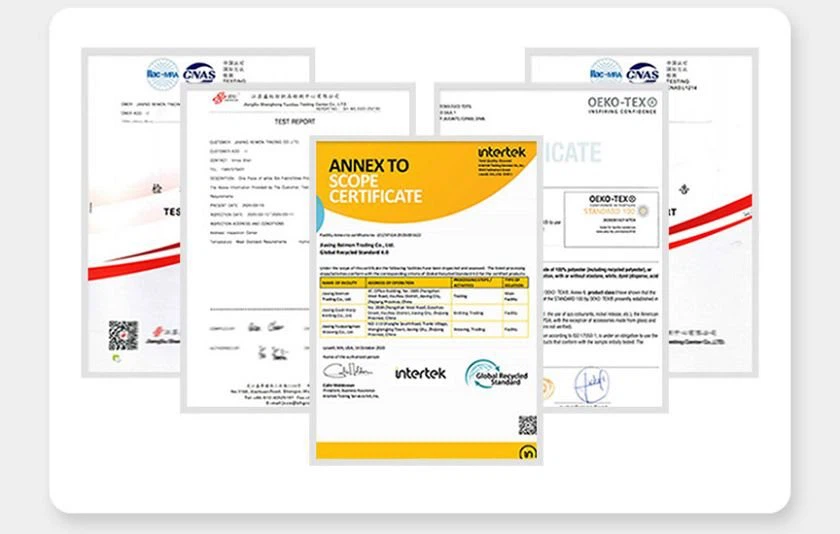
Global Recycled Standard Certification, OEKO-TEX Standard 100 Certification, and SGS Certification reflect our scientific production process and reliable product quality.


Fast Delivery

Our factory is located between Shanghai Port and Ningbo Port. The transportation of gray fabrics and finished products is convenient, and users can receive the goods in a shorter time.

Our Certificate
 

Our company has obtained Global Recycled Standard Certification, OEKO-TEX Standard 100 Certification, and SGS Certification, which prove that our company complies with the sustainable production and consumption model and that our textiles are safe, harmless, and of reliable quality.
 

productcate-1-1


Ultimate FAQ Guide to Sport Fabrics
 

Q: What kind of fabric is used for swimwear?

A: Synthetic fabric blends with high Spandex (or Lycra or elastane) content generally have good recovery. The two most popular fabric types for modern swimwear are: Nylon Spandex (or Lycra or elastane) – this is traditionally the most common swimsuit fabric due to its durability, soft feel and variety of fabric sheens.

Q: What are the common Swimwear Fabrics?

A: ●Polyester
Polyester is the most common choice for swimsuits because it is resistant to chlorine and ultraviolet (UV) rays from the sun. It's durable, form-fitting and comfortable to wear.
●Nylon
Typically, nylon is what you think of when you imagine fashion swimwear. Although it's less UV resistant and chlorine can damage it, you can blend nylon with other fabrics and materials to create comfortable and stretchy swimwear.
Elastane
You will not find a 100% elastane suit. Instead, manufacturers have to blend the elastane with other synthetic materials or natural fibers. Doing so will give the suit much more stretch. The production process for elastane can be extensive, so these suits are typically more expensive.
Polybutylene Terephthalate (PBT)
PBT is a plastic yarn fiber with a natural stretch and a smooth and light feel. It has a stiffer texture but is excellent for athletic swimming.
Neoprene
Neoprene is a synthetic rubber and is technically not a fabric, but it is used to make wet suits and other swimwear. Neoprene is the insulated foam that keeps water close to your body so that you stay warm when swimming in open waters. It is soft and comfortable and doesn't slip off.

Q: Is polyester or nylon better for swimming?

A: Nylon is a strong fiber in terms of tensile strength, so it is well strong enough for use as a swimsuit fabric. However, it degrades more easily under UV (sunlight) and pills much more easily than polyester. Nylon does not hold color quite as well as poly. Users can choose according to their needs.

Q: Is 100% polyester good for swimwear?

A: Whether blended with other fabrics or by itself, polyester is the leading fabric for competitive swimwear. New technologies in polyester have improved the hand and feel of the material, allowing it to surpass other fabrics. Polyester holds its color and is resistant to chlorine.

Q: How do nylon and spandex affect Swimwear Fabric?

A: It’s also a great choice to research the ‘ingredients’ in advance and learn the characteristics of each one. Nylon is a synthetic polymer, while spandex is a manufactured fiber. The nylon in the fabric provides strength, while the spandex offers elasticity and shape retention.More spandex means a softer feel, fewer wrinkles, and better shape retention; however, too much spandex may make clothing feel hard or rubbery. To get the best idea of fabric, it’s advisable that you feel or see swatches beforehand. Also, don’t hesitate to request more information from the supplier if needed, as descriptions might not always be accurate.

Q: Do these Swimwear Fabrics dry quickly?

A: Most people only think about swimwear in the context of summertime fun, but if you’re the type who loves to take a dip no matter the season, you know that quick-drying materials are a must. Nobody likes to be trapped in a damp swimming suit, even less so when the weather is chilly. That’s why many manufacturers now offer swimwear made from quick-drying synthetic materials. These textiles are intended to wick moisture away, so you can enjoy a comfortable swim without worry. In addition, quick-drying materials are often more durable than their natural counterparts, meaning they’ll last longer even with regular use.

Q: Is Swimwear Fabric stretchy?

A: Yes. While a snug fit is desirable in swimwear, it’s also important that the fabric has some stretch to it. This is because swimsuits are often tight-fitting and need to be able to move with the body. A fabric with no stretch will simply not offer the same level of comfort or support. In addition, a fabric with little or no stretch is more likely to misshapen over time. It’s also more likely to pill and become damaged from repeated wear and washing. For all these reasons, our swimwear fabrics have good stretch properties. They can provide just the right amount of stretch for a comfortable and supportive fit.

Q: Can polyester and spandex be used for swimming?

A: If you're a more casual swimmer, while polyester is still a good choice, you might also be interested in spandex swimsuits as well! Spandex, which can also be marketed under the name Lycra, is another popular swimsuit material. Spandex is a stretchy material that offers a very good, comfortable fit.

Q: What to look for in stretch swimwear fabrics?

A: The most important factor in selecting swimwear material is the amount of fabric stretch (hmmm, seems obvious!). Swimwear is made with negative ease. That means the finished garment is smaller than your body measurements and will stretch to fit the body. This is what makes swimwear snug and form-fitting. You need to make sure your fabric has enough stretch so it will fit, but also so that you can get it on and off and move when you’re wearing it! Swimsuits typically need at least 30-50% or more 4-way stretch – that means it stretches both vertically and horizontally. Along with stretch, swimwear fabrics also need good recovery. That means they bounce back to their original size and don’t tend to “grow” as their worn. No one wants a swimsuit that becomes saggy and baggy after it’s worn. Synthetic fabric blends with high Spandex (or Lycra or elastane) content generally have good recovery.

Q: What is the swim lining fabric?

A: Another fabric you need to consider when sewing swimwear is the lining. Swimsuit liner fabric is the inner layer of some swimsuits. It can stop swimwear prevent it from becoming see-through when wet, and help keep the swimsuit in place, preventing it from riding up or shifting on the body. It can also be used as the inner briefs/liner in boardshorts. Whilst you can use any stretch swim fabric, swim lining fabric is typically made from a lightweight and breathable mesh fabric, like nylon- or polyester-spandex. It’s softer and more comfortable against the skin than swim fabric. Power mesh can also be used as swim lining.

Q: Is swimwear fabric stretchy?

A: Swim fabrics are most commonly made with a combination of nylon and spandex, and have excellent stretch and recovery. They generally have wonderful drape, with a cool and fluid hand.

Q: How does swimwear fabric differ from regular fabric?

A: Most swimsuit fabric is meant to stretch to fit all those gorgeous curves and to allow for a comfortable and safe swim. The fabric also needs to be able to both hold its shape when wet and to dry easily and quickly. For this reason, almost every type of swimwear fabric contains elastane fibers.

We're well-known as one of the leading swimwear fabric manufacturers and suppliers in China, featured by quality products and good service. Please feel free to wholesale high-grade swimwear fabric at competitive price from our factory. Contact us for more details.

shiny polyester elastic fabric, polyester elastic swim fabric, shiny polyester fabric

(0/10)

clearall